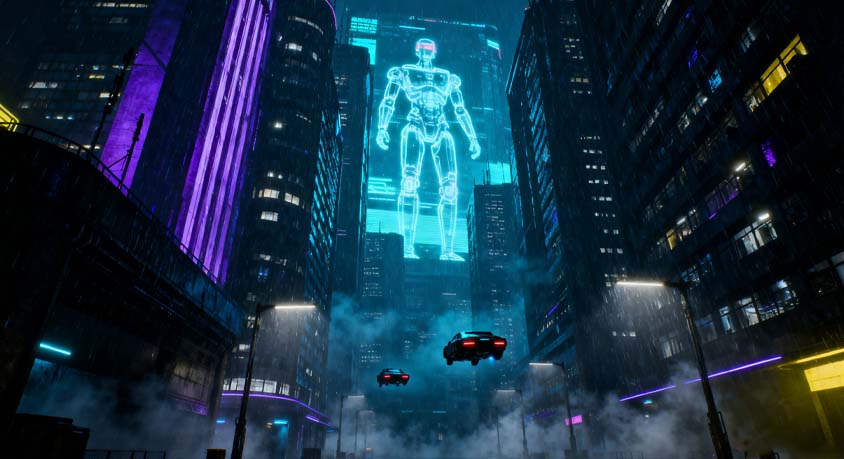

My friend Lila used to only play cozy games—Animal Crossing, Stardew Valley, anything where the most dangerous thing was a grumpy villager. Then she saw a TikTok of someone chasing a giant, fire-breathing creature through a forest, and she thought, “Why not try it?” Three days later, she FaceTimed me at 9 p.m., eyes wide, controller in a death grip: “I thought it was a wolf. Then it stood up. It’s huge. Its claws are bigger than my phone.” That’s the hook of this game—you wander into the wilderness thinking you’re prepared, then it hits you: this isn’t a cute forest critter. This is a beast that could swat you aside like a fly. And suddenly, your “casual play” turns into a white-knuckle fight to survive.
Lila’s first big monster encounter? She was tracking what she thought was a bear—footprints as big as dinner plates, fur stuck to trees. She crept through tall grass, bow drawn, heart thudding so loud she could hear it over the game’s music. Then the ground shook. The grass parted. And there it was: not a bear, but a shaggy beast with horns curling back, breath fogging the air, and a roar that made her speakers rattle. “I froze,” she said. “I forgot how to dodge. It swiped at me, and my character went flying. I died in 10 seconds.” She tried again—this time, she studied the beast first: noted it limped a little on its left leg, flinched when she shot its horns. She set traps, used fire arrows (turns out it hated fire), and after 45 minutes of dodging, healing, and yelling at her screen, she took it down. When the beast collapsed, she threw her controller in the air. “I was sweating! I felt like I was actually hunting for something.”
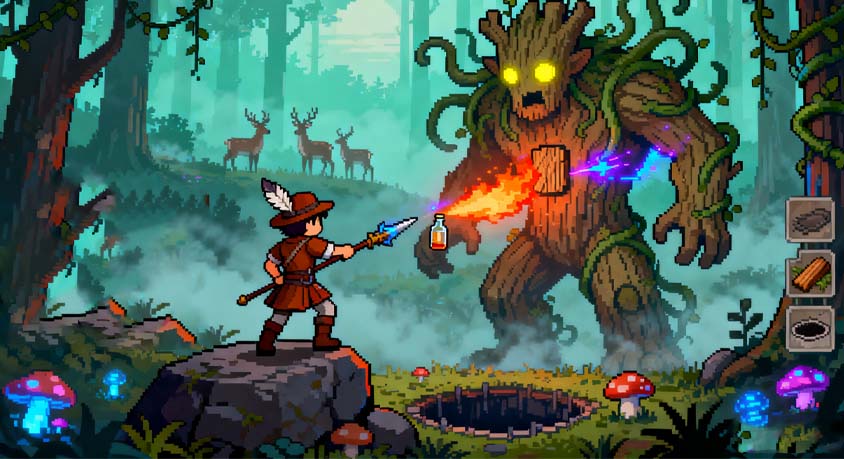
But the real magic? What comes after. Lila spent 20 minutes looting the beast—grabbing its fur, its horns, even a claw she’d broken off mid-fight. Then she headed back to her camp, where she could turn those scraps into gear. Two days later, she sent me a photo: her character wearing a thick, shaggy coat (made from the beast’s fur) and wielding a bow with horn accents. “It’s not just pretty,” she said. “It makes me faster, and fire arrows do more damage. I feel like I earned it.” That’s the game’s secret sauce—every scar, every scrap of material, ties back to a memory. When she wears that coat now, she doesn’t just see pixels. She sees the time she died three times, the time she finally nailed a perfect dodge, the roar that made her jump the first time she heard it. It’s not just gear—it’s a trophy.
Now Lila’s obsessed with the “hunt before the hunt.” She’ll spend hours wandering the wilderness, following tracks, reading notes about creatures (what they eat, where they sleep, what scares them). She once spent 30 minutes watching a water-dwelling beast swim, just to learn its pattern. “It’s not about killing fast,” she said. “It’s about outsmarting it. Like, if I know it goes to the river at dusk to drink? I set a trap there.” And when she finally takes down a new beast? She’ll immediately plan her next gear: “That bird-like one has feathers that glow—imagine a helmet with those. I need to fight it again.”
The best part? She’s not even in it for “winning.” She’ll die five times to the same beast, groan about it, then load back in. “It’s the good kind of frustration,” she said. “The kind that makes you go ‘I can do better’ instead of ‘I quit.’” Last week, she fought a lightning-spitting beast three times before beating it. When she crafted a sword from its horn, she texted me: “It shocks enemies. I feel unstoppable.” That’s the game’s charm—it turns you from a nervous newbie hiding in grass into a hunter who knows how to take down giants. And every scar, every piece of gear? It’s proof you earned it.